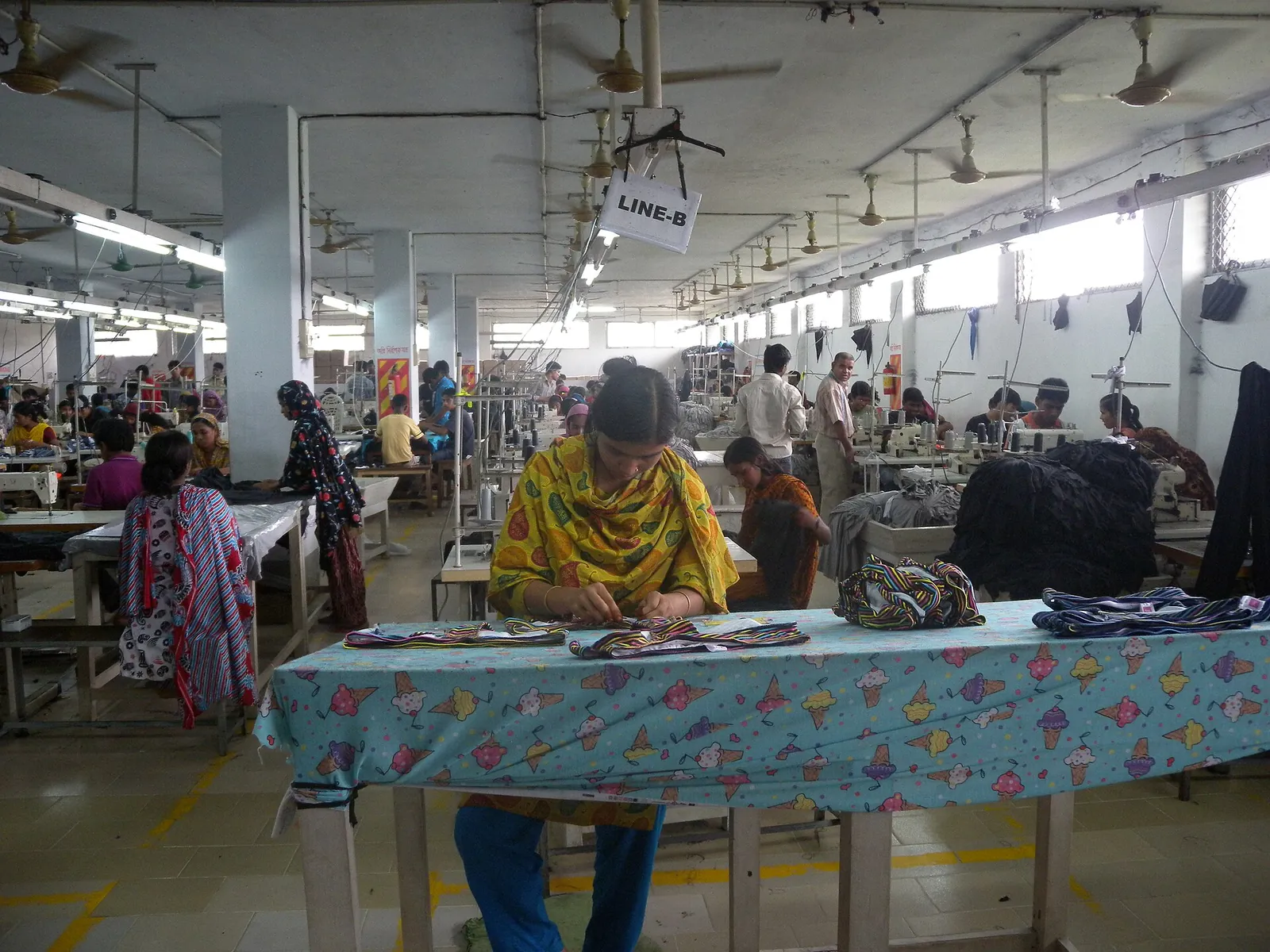
An Edmonton student can read the price on a plain shirt at the mall. A garment worker in Dhaka sews export clothing, and the tag shows that price more clearly than a factory address. Price, safety, and a say in decisions are three measures of a good life.
About 50 min one-to-one, or 60 min with a small group
1. Warm up (5 to 10 min): Ask the quick questions with notes closed.
2. Teach: Work through the lesson slides in order.
3. Coach practice: Use the student examples and try-it tasks.
4. Check: Finish with the outcome prompts below.
Warm-up questions
Where was the shirt tutors are wearing made?Listen for: Check the tag. Many say Bangladesh, Vietnam or China. This connects to garment workers.
What makes a good life for tutors?Listen for: Any answer. This sets up quality of life measures.
What is a human right?Listen for: Something every person is owed, such as safety or free speech. This sets up the Universal Declaration.
What to check they understood
4.1
Ask them to compare the quality of life of an Edmonton shopper and a Dhaka garment worker using price, safety and a say in decisions.
A strong answer applies all three measures to both people and explains how the low price connects to the worker's conditions.
4.2
Ask them to explain how globalization can raise and lower quality of life for the same worker.
A strong answer says factory jobs bring income, while long hours or unsafe buildings can cause harm, and gives an example such as the 2013 Rana Plaza collapse.
4.4
Ask them to link one article of the Universal Declaration of Human Rights to the garment worker's life.
A strong answer names a right such as safe working conditions or fair pay and explains whether it is being met.
Likely gaps from earlier grades
Students may think low prices have no cost. Ask who pays for the low price.
Class slides
Work through the class slides
1 / 7
Two working days
An Edmonton consumer in Grade 10 buys a plain T‐shirt and can read the price on the mall tag.
A garment worker in Dhaka sews export clothing, and the tag shows a price more clearly than a factory address.
The 2013 Rana Plaza collapse in Dhaka made factory buildings part of how people judge those jobs.
Workers sew clothing in a garment factory in Bangladesh, and many of them are women. Many T-shirts sold in Canadian malls are made in rooms like this one. The price on the tag depends partly on these workers' wages, shift lengths, and the safety of the building.