About 25 min one-to-one, or 35 min with a small group
1. Warm up (5 to 10 min): Ask the quick questions with notes closed.
2. Teach: Work through the lesson slides in order.
3. Coach practice: Use the student examples and try-it tasks.
4. Check: Finish with the outcome prompts below.
Warm-up questions
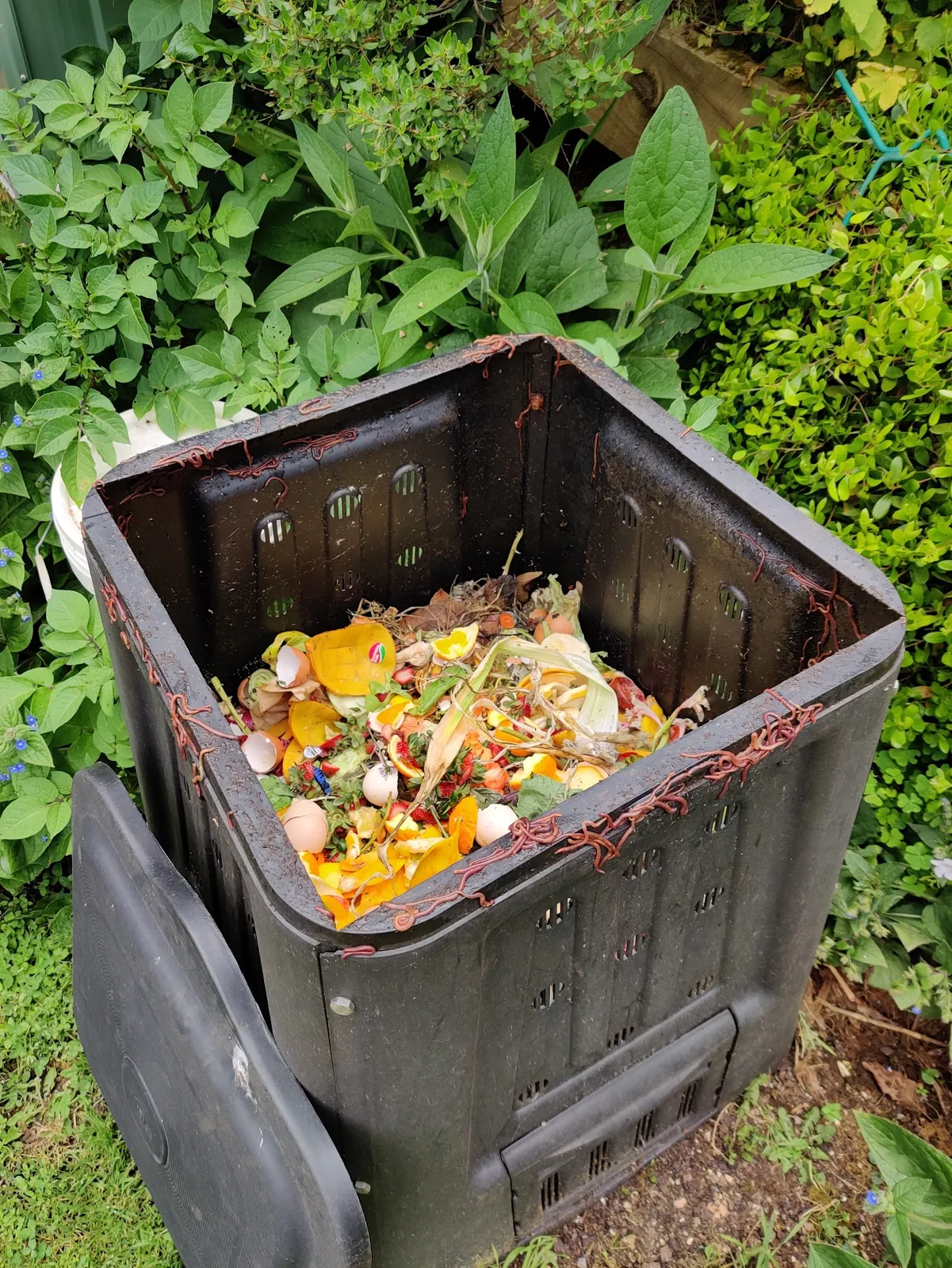
What happens to an apple core in a compost bin?Listen for: Decomposers break it down. This sets up biodegradable materials.
Why does a plastic bag last so long in a landfill?Listen for: Few decomposers can break it down. Listen for decomposition.
Why do farmers add fertilizer?Listen for: To replace nutrients. This sets up agriculture.
What to check they understood
D1.2
Ask them to compare a paper bag and a plastic bag as biodegradable materials.
A strong answer says paper breaks down faster because decomposers can digest it, and names one trade-off.
D1.6
Ask them to describe one technology whose other effects were learned later.
A strong answer names an example such as an early farm pesticide that later thinned the eggshells of hawks and eagles.
Science skills: planning 1
Ask them to plan a test of how fast two materials break down, naming the manipulated, responding and controlled variables.
A strong answer names material as manipulated, mass lost as responding, and soil, moisture and time as controlled.
Likely gaps from earlier grades
Students think everything breaks down in a landfill. Explain that low air slows decomposition.
Class slides
Work through the class slides
1 / 7
A plastic fork and an apple core
An apple core can become soil material in a compost pile.
A disposable plastic fork stays recognizable long after the meal is over.
Fresh food scraps in a compost bin. Over a few months, bacteria, fungi, and worms break scraps like these down into dark, crumbly compost that can feed soil. A plastic fork in the same bin would still look like a fork years later.